
What happens when agriculture meets AI, IoT, data, cybersecurity, digital platforms and emerging technologies?
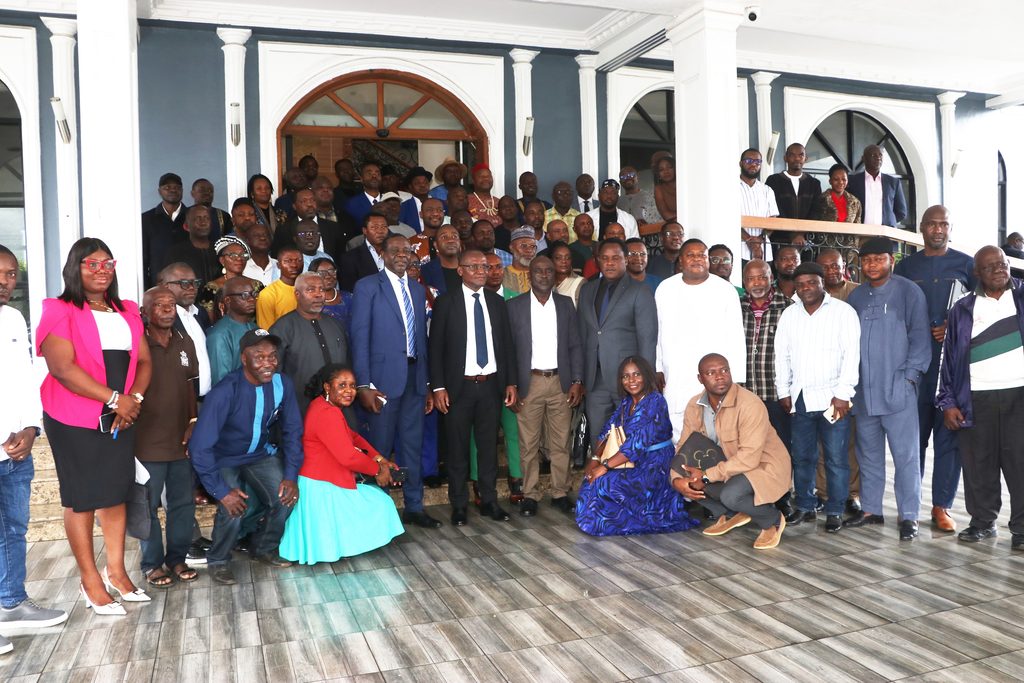
That was the question we spent three days exploring at the ANTIC seminar on Harnessing Digital Transformation for Sustainable Agricultural Transformation in the South West Region of Cameroon.
Representing Green Farmlands, Our CEO & Founder, Atim Mbah Patience and our Project Coordinator, Faniran Ngobesing had the opportunity to participate and to showcase Green Basket, our digital agricultural marketplace connecting producers and consumers.
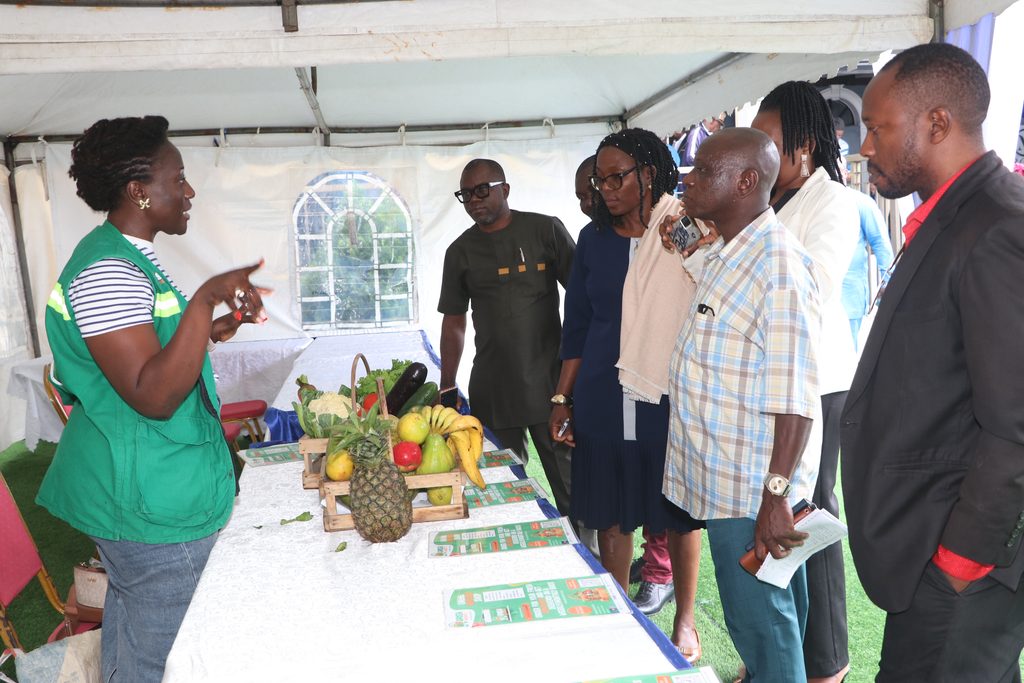
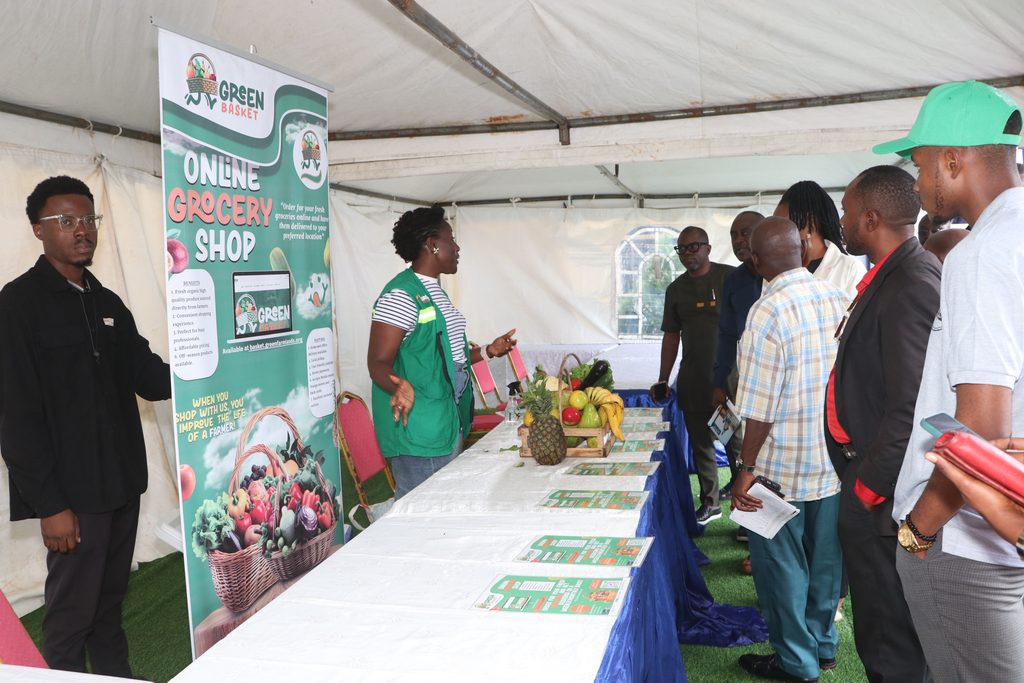
But beyond showcasing what we have built, the seminar challenged us to think much bigger about what digital transformation in agriculture should actually mean.
One of our biggest takeaways was this: digitalisation is not simply putting agriculture online.
It is about using technology to make agricultural systems smarter, more efficient, more resilient and more sustainable.
We explored how:
🤖 AI can move agriculture from simply collecting data to making predictions, recommendations and eventually autonomous decisions.
📊 Data is becoming an agricultural asset, not only for understanding what has happened, but for predicting what could happen and improving future decisions.
📡 IoT and connected systems can bring real-time information into agricultural production, from environmental monitoring to automated decision-making.
🔐 Cybersecurity must become part of agricultural transformation from the beginning. As farmers, platforms and agricultural businesses become more digitally connected, protecting data, identities, transactions and systems becomes just as important as producing the food itself.
🐄 Livestock 4.0 challenged us to think beyond conventional livestock systems and consider how emerging sectors such as Black Soldier Fly farming can also become part of the digital agricultural ecosystem.
And this one was particularly relevant to us.
Through the Green Farmlands BSF Unit, we are exploring Black Soldier Fly farming as a way of converting organic waste into valuable protein and agricultural inputs. The question now is not only “How do we produce BSF?” but also:
How can we use data, sensors, AI and digital tools to make BSF production more predictable, efficient and scalable?
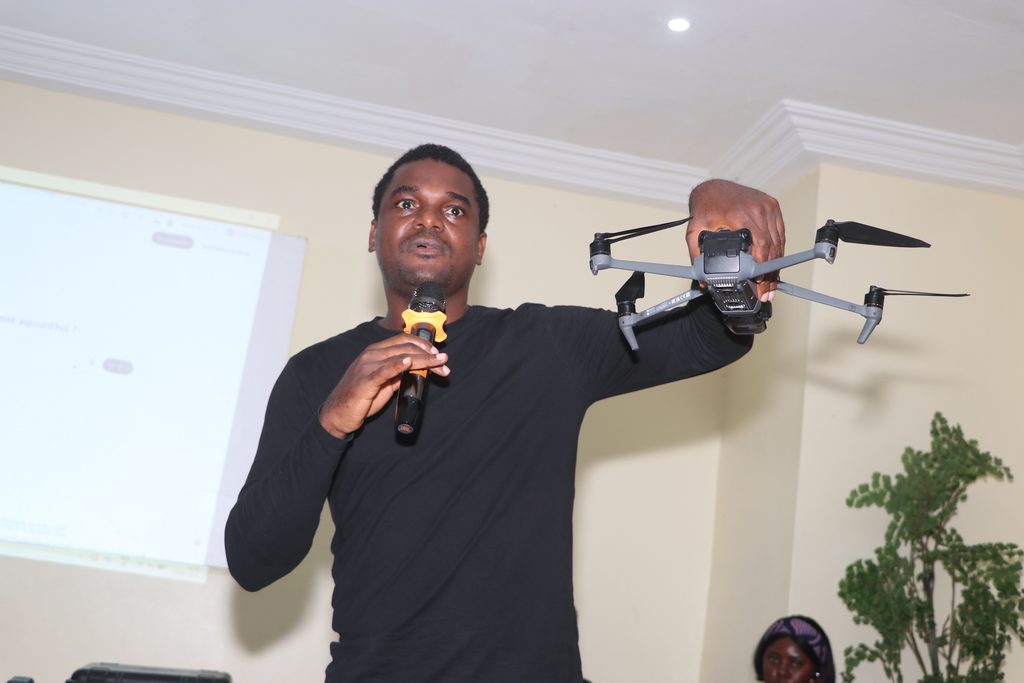
At the same time, showcasing Green Basket reminded us that digital transformation doesn’t stop at the farm gate.
A farmer can produce efficiently, but if they cannot access markets, capture value and connect with consumers, the transformation remains incomplete.
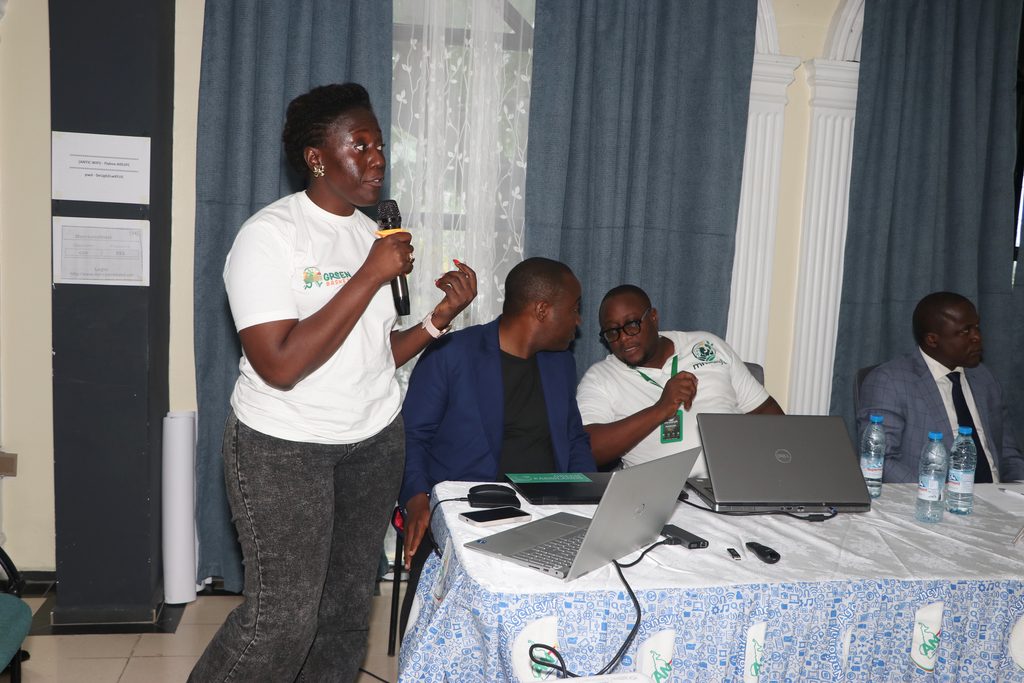
That is why our work increasingly makes us think about agriculture as an interconnected digital ecosystem:
Production → Data → Technology → Markets → Consumers → Value → Sustainability
For us, the most valuable part of these three days was not learning about technology in isolation.
It was learning to ask better questions about where technology genuinely creates value in agriculture.
The seminar reinforced something we already believe:
The future of agriculture in Cameroon will not be built by technology alone. It will be built by combining technology with local knowledge, farmers’ realities, strong institutions, entrepreneurship and a genuine understanding of the problems we are trying to solve.
We came to showcase an innovation.
We left with more questions, more ideas, and an even stronger conviction that Cameroon’s agricultural transformation must be both locally grounded and digitally enabled.
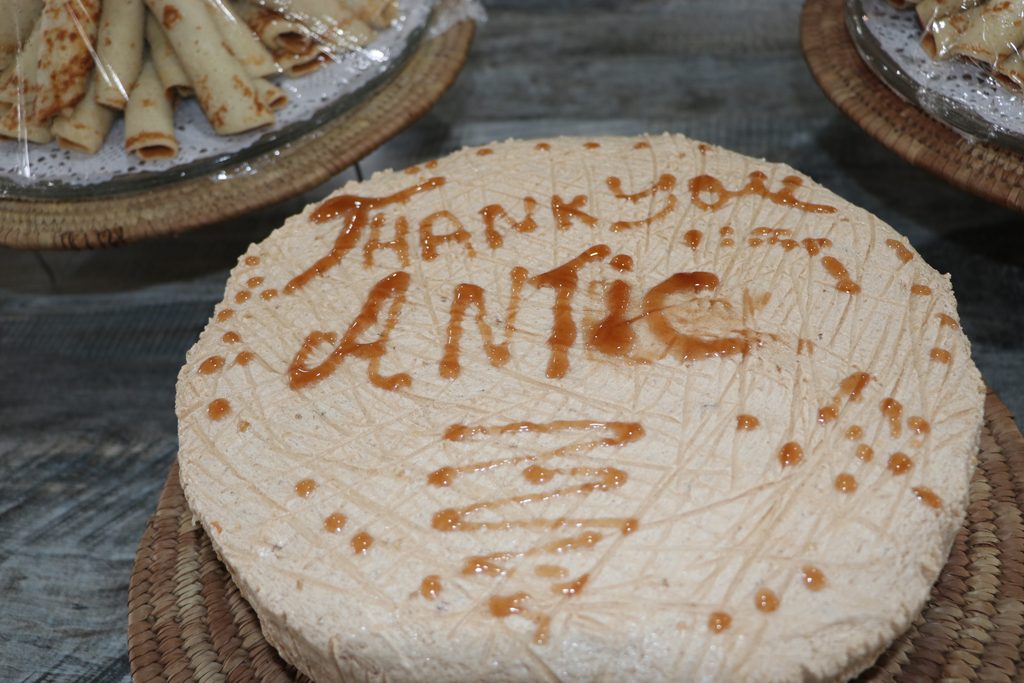
A big thank you to ANTIC and all the speakers, innovators and participants who made these three days such a valuable learning experience.
The work continues.
Green Farmlands | People & Planet | Tech-enabled | Locally grounded
#GreenFarmlands #GreenBasket #DigitalAgriculture #AgriTech #Agriculture40 #Livestock40 #IoT #AgriculturalInnovation #BSF #BlackSoldierFly #DigitalTransformation #Cameroon #SustainableAgriculture
