

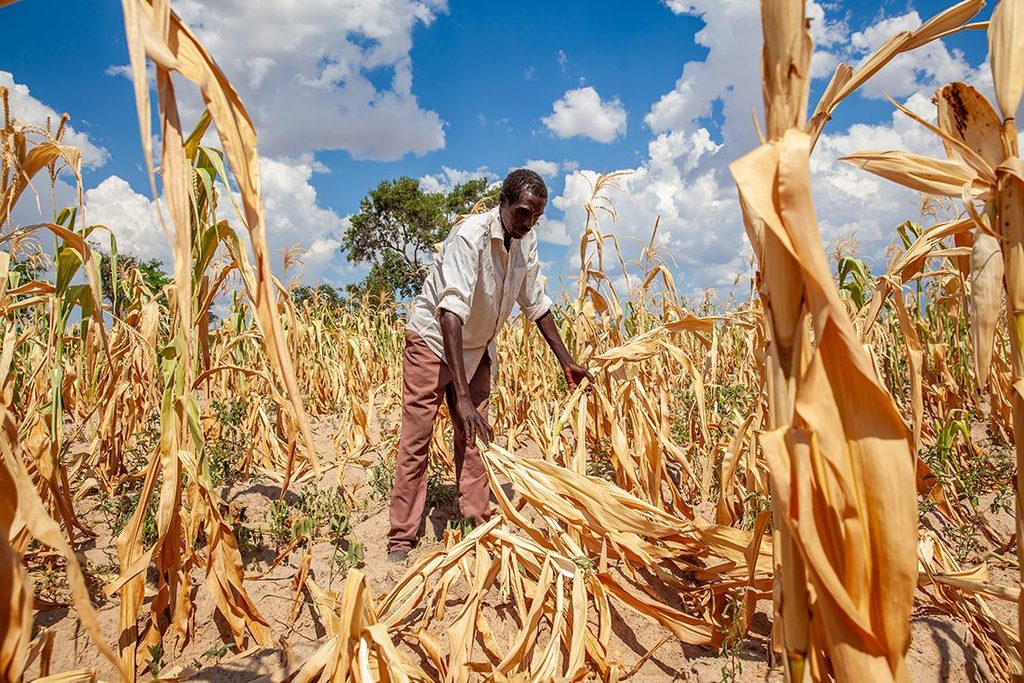
El Niño is a natural climate phenomenon in which surface waters in the central and eastern Pacific Ocean become unusually warm, disrupting weather patterns around the world. El Niño can bring serious risks for food production, rural livelihoods and food security.
The World Meteorological Organization (WMO) says El Niño is firmly established and strengthening rapidly, with sea temperatures expected to hit +3.7°C above normal in December 2026 and could last until 2027, making it the hottest year ever recorded.
The first impacts are always felt where food is produced. Farmers, pastoralists, fishers and small-scale producers bear the most direct burden.
According to FAO and WFP analysis, 12 African countries are most likely to face a food crisis because of it – amongst which is Cameroon and Nigeria. For Cameroon, the threat goes beyond our borders. As the breadbasket of Central Africa, our key food-producing regions are all at risk. Action Against Hunger warns that the Far North and Adamaoua will hit hardest by severe drought affecting harvests, incomes and water access.
📌Key Impacts on Food Systems
– Southern Africa faces hot, dry conditions that can cut maize production by 40% to 60%.
– The Horn of Africa faces heavy rainfall and severe floods that damage farms and infrastructure.
– West and Central Africa, including Cameroon and Nigeria, faces drought in the North and floods in the South and coastal areas.
– Drying pastures and water sources weaken cattle and goats which are vital food and wealth assets.
– Lower yields drive up food prices with 49 million more people at risk of acute hunger by end of 2027, 6 million in West and Central Africa.
📌How Africa Should Prepare:
– Translate weather data into simple local alerts farmers can actually use.
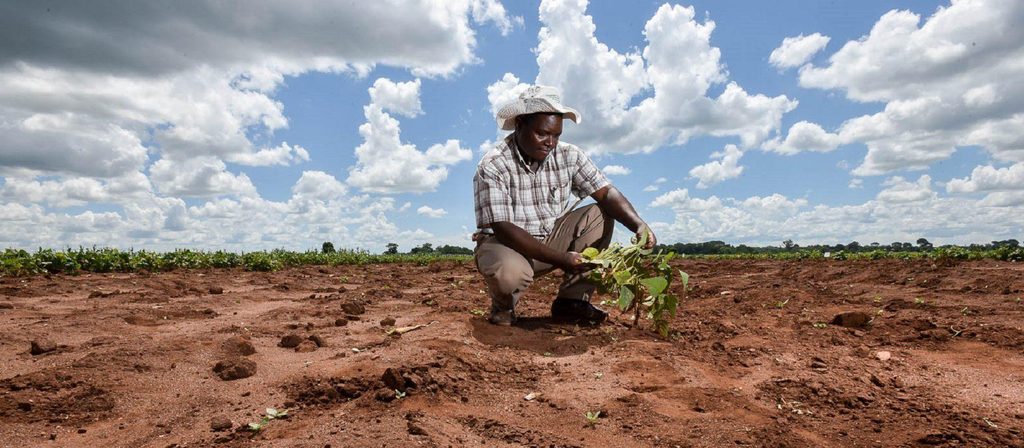
– Plant drought-tolerant early-maturing varieties in dry rosy zone like Far North and Northern Nigeria. In flood prone areas, use raised beds, ridges, drainage trenches and plantain on mounds.
– Stagger planting and mix crops like cassava, maize and egusi with livestock to spread risk.
– Build community grain buffers and set up emergency funding and safety nets before the shock peaks.
– Use water harvesting and drip irrigation in the North and protected drying floors and airtight bags to cut losses.
“The sooner we help families to prepare for these climate shocks, the greater our ability to save lives and protect livelihoods.” – As WFP’s Acting Executive Director Carl Skau said
